
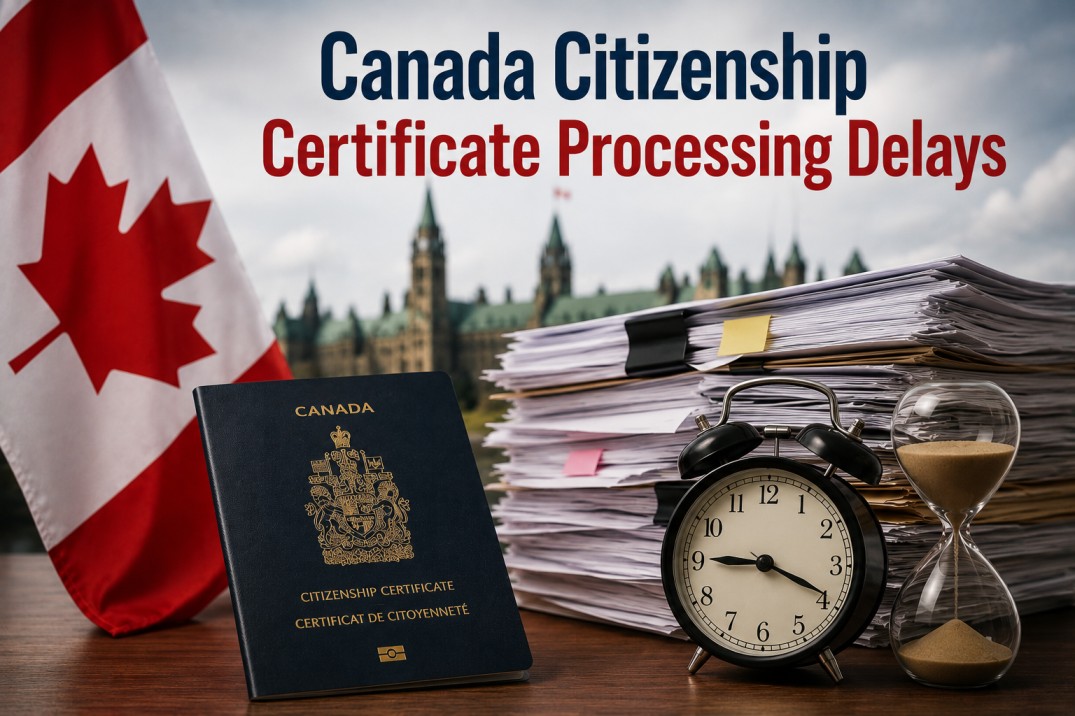
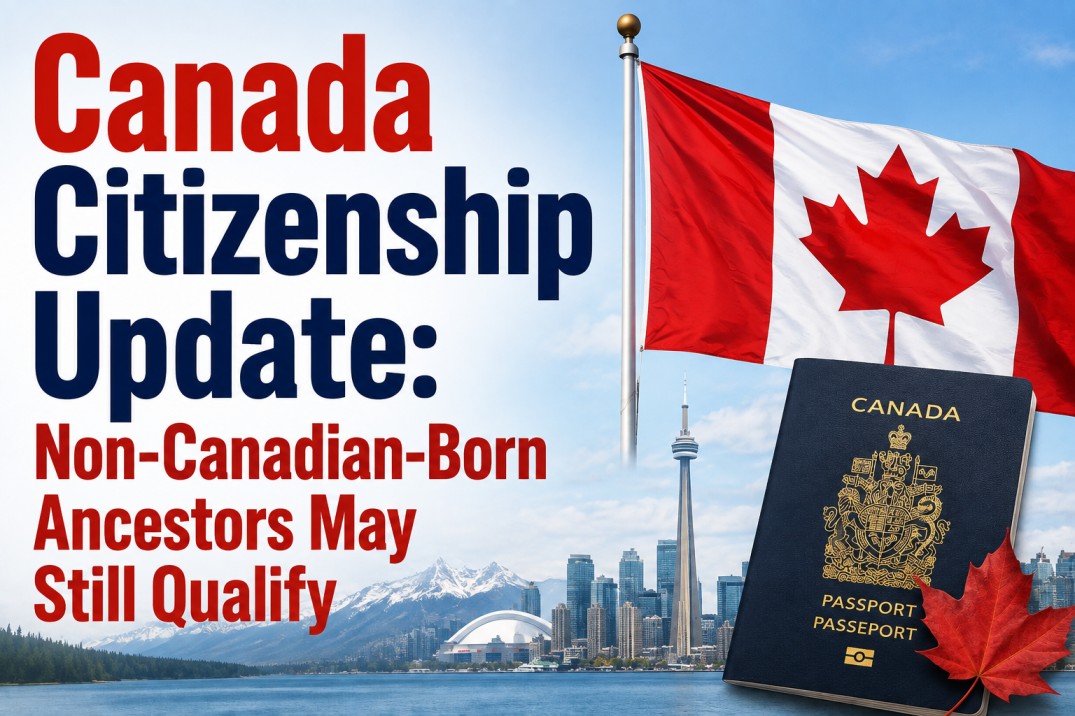
Canada has issued important changes to how applicants must prove their citizenship by descent. Canada's citizenship department has made the documentation standards stricter to make identity verification stronger and to ensure the authenticity of applications.
As per the recent CIC News updates, Immigration, Refugees, and Citizenship Canada (IRCC) now require applicants to submit stronger official evidence establishing a continuous “chain of lineage” from a Canadian ancestor to the applicant. Applicants are required to establish explicitly legal parent–child relationships across every generation in the claim. Applicants must provide evidence for each generational link—typically parent, grandparent, and earlier ancestors where applicable—supported by government-issued documents such as birth, marriage, or death certificates. In instances where the records are missing or difficult to obtain, applicants may need to provide written explanations and evidence of attempts to obtain records, along with alternative supporting documentation where appropriate.
As the demand for citizenship certificates continues to rise and processing backlogs increase, officials have said the changes are to improve the integrity of the citizenship-by-descent process. Further, as per the reports, some applications and previously approved cases are also reportedly being re-examined under enhanced scrutiny, especially where documentation concerns exist.
Officials have also clarified that the policy does not change the eligibility for citizenship by descent under Canadian law. Instead, the changes affect evidence requirements, not who qualifies for citizenship by descent.
Read to know: Alberta Introduces Online Tool to Help Foreign Nationals Assess AAIP Eligibility









































































6a7c0d8d9cdfd.png)
6a7c163ce6b6e.png)



















6a953b032f7ee.jpg)
































 CANADA
  +1 (647) 767-0672