

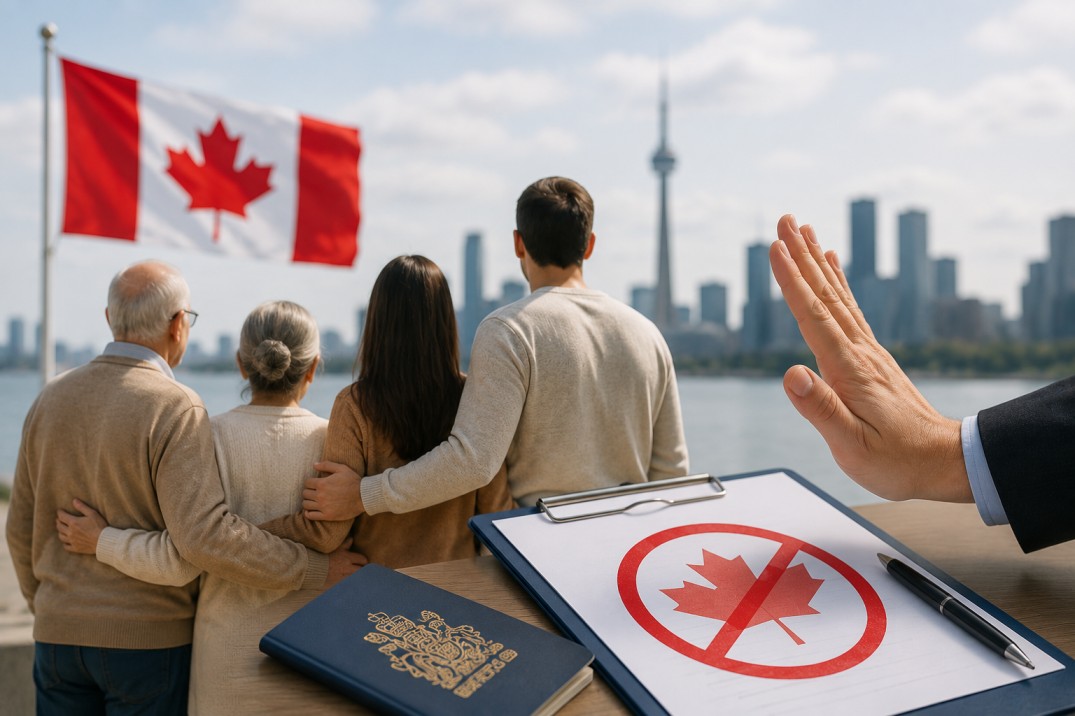
With the permanent sponsorship options limited, Canada has brought in new changes to the Super Visa program effective from 31st March 2026. The requirements of the Super Visa program in Canada have been eased. This has made the Super Visa program the primary pathway for family reunification in 2026.
The Parents and Grandparents Program (PGP) has been paused, and no new applications are being accepted throughout 2026. Only a limited number of older applications are processed by the immigration authorities. This leaves many families without a permanent residency route for their relatives. This limitation has made the Super Visa the primary alternative.
The Super Visa is a multiple-entry visa that allows the parents and grandparents of Canadian citizens and permanent residents to stay in Canada for up to five years per visit, and it has a validity that extends up to 10 years. When compared to the standard visitor visas, which allow the visitors to stay only 6 months, the Super Visa provides more flexibility with a
longer stay possible.
The recent changes have made the Super Visa program more accessible. The income threshold that has to be met by the host is based on the family size and it shows the host’s ability to financially support the relatives who are visiting. As per the new rules, the minimum income threshold requirement has been updated and eased. Further, applicants are also allowed to purchase the medical insurance from approved providers outside Canada, which increases the options and also reduces costs.
However, even though there are benefits, the Super Visa will remain a temporary solution and does not grant permanent residency or access to public healthcare benefits in Canada.
The Super Visa is the practical option now for those who are hoping to reunite while waiting for future updates in the permanent sponsorship programs.
Read to know: Ontario Issues 1,243 Invitations in Multiple OINP Draws; Graduate Streams Return































6a7c0d8d9cdfd.png)
6a7c163ce6b6e.png)






6a953b032f7ee.jpg)


































 CANADA
  +1 (647) 767-0672