

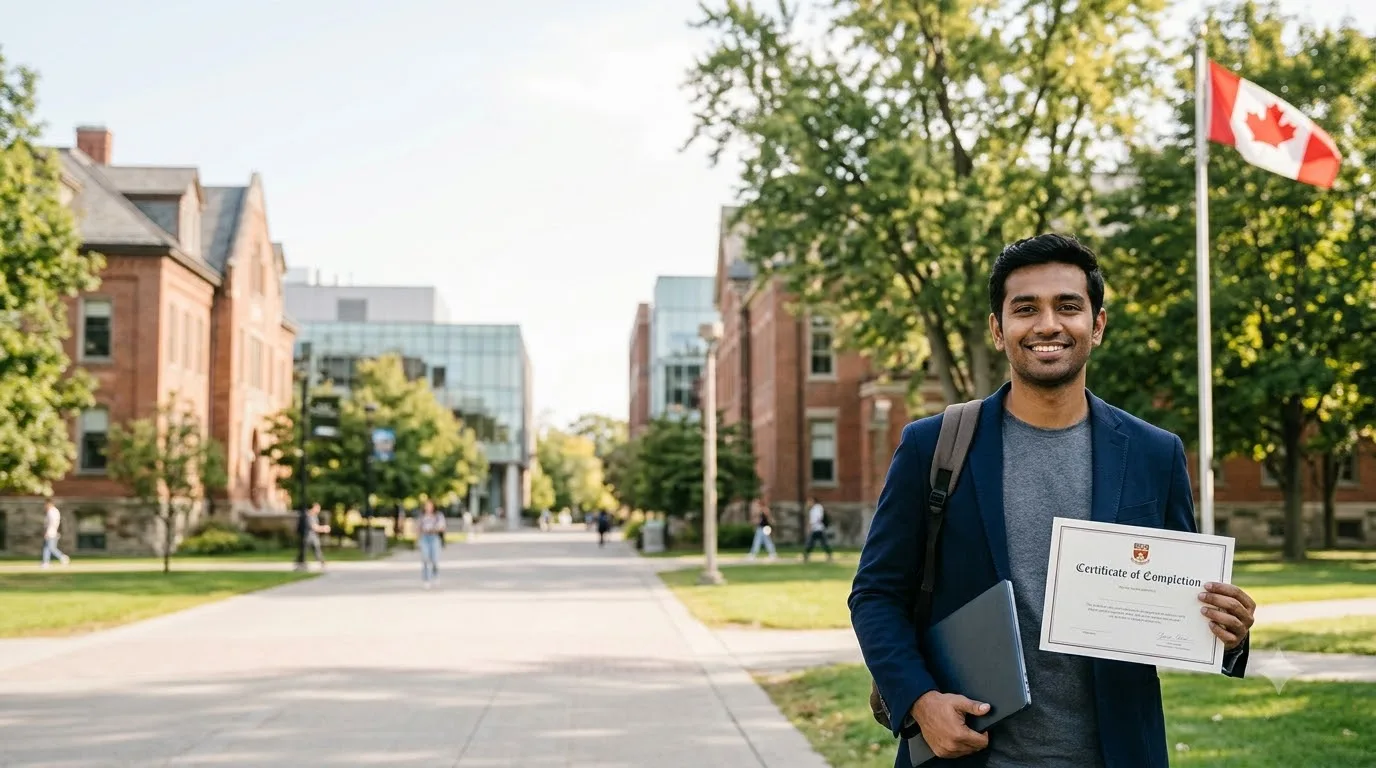
The recent policy updates in immigration have brought many changes affecting the students seeking Post-Graduation Work Permits (PGWP), students with study permits, and international graduates already on work permits.
The immigration rules have been tightened, and this has led to uncertainty among the international students regarding PGWP eligibility, work-permit extensions, and permanent residence pathways. By getting the support of a Canadian immigration lawyer firm, students can plan their pathway to stay in Canada legally.
Immigration, Refugees and Citizenship Canada (IRCC) in November 2024 has made the Post-Graduation Work Permit Program (PGWP) stricter. For PGWP eligibility, students who start their programs after November 1, 2024, must be enrolled in programs that are listed under IRCC’s eligible program list that match the labor-market demand. Programs that are non-degree, short-term, and vocational will not qualify for PGWP. Program selection is important since choosing an ineligible program will not allow the student to remain and work in Canada.
The common path for international students in Canada, which is study, work, and PR transition, has become unpredictable. This is because of the major challenges listed below that make it difficult for students to get the NOC-level work experience required for permanent residence.
Major Challenges:
Not able to secure skilled employment - The employers often give priority to those individuals with Canadian experience. Graduates will have to work in low-skilled roles, which are completely unrelated to their education.
Reduced eligibility for PR - Low-skilled jobs reduce the candidates' opportunity for PR through Express Entry, the Canadian Experience Class (CEC), and sometimes Provincial Nominee Programs (PNPs).
Programs not aligned with Canadian labour shortages - Many students choose programs that will not lead to occupations that have labour shortages in Canada, reducing the employment prospects in Canada.
IRCC has brought in many rules and tightened eligibility for economic immigration. This has made the once simple study-to-PGWP-to-PR path more competitive. PR today, more than ever, depends on the choice of programs and labor-market alignment. In 2026, priority for economic immigration programs is given to students who are pursuing programs in fields such as healthcare, STEM, trades, transportation, agriculture, and similar, in-demand sectors. Those who are pursuing programs that are not included in these fields get low Comprehensive Ranking System (CRS) scores and, subsequently, have a very low possibility of getting PR invitations.
International graduates holding a Post-Graduation Work Permit (PGWP) are left with uncertainty regarding the expiration of the permit and few options for extending it. This situation leaves them no option other than to return to their home country, enroll in another program, or switch to visitor status in Canada. In addition, students face financial and emotional strain regarding the investment lost in Canada over the years.
Students in non-priority fields are at a disadvantage since the immigration policies in Canada in 2026 are focusing on education and work experience in the fields with labor demand. International students from programs in the below fields have limited job prospects, and PR possibilities are affected the most:
This will lead to graduates having a lack of or no career progression, underemployment, job insecurity, and a low CRS score, thereby making their scope of PR very low and uncertain.
The new immigration plan in Canada has been introduced to meet the economic demands of the country and stabilize the immigration system. The changes affect international students in their future goals and financial planning. For international students, staying back in Canada has become complex, and it requires careful, legally sound, and strategic planning.
The changing immigration scenario is not the end of the study-to-work-to-PR path. Students should take proactive methods to secure their future in Canada.
ImmiLaw Immigration Law Professional Corporation guides international students and workers by offering personalized legal advice and immigration guidance. We will help you through:
✔ PGWP eligibility reviews
✔ Status restoration
✔ Work-permit extensions
✔ LMIA pathways
✔ Provincial Nominee Programs
✔ Express Entry and CEC
✔ Personalized PR planning
✔ Appeals and reconsideration requests
We have offices in Mississauga | Brampton | Ottawa | Halifax | Virtual across Canada
Book your consultation with a Canadian immigration lawyer today!
Don’t lose hope. Strategize your future with a trusted Canadian immigration lawyer.
Read to know: Canada Immigration Priorities 2026: Why In-Canada Applicants Have an Advantage
Absolutely yes; however, students should note PR pathways have become competitive and more targeted, with in-demand sectors being given priority.
In 2026 students can work up to 24 hours per week off-campus when the classes are ongoing and full-time during academic breaks. Students can work on campus without any hour limit.
The options include applying for a Bridging Open Work Permit (BOWP), checking the LMIA-based employer-specific work permit, checking the PNP work permit support letter eligibility, changing status, or opting for status restoration (only if it is unavoidable).
As immigration rules have gotten stricter, it is important to understand the changes and prepare accordingly if you want to continue to stay and live in Canada. ImmiLaw, will help you understand policy changes and updates so you can make informed decisions.
Spousal open work permits and dependent visas have become stricter, and eligibility depends on the level of the study program and duration of the program.








 (2)68c2c24f359ca.jpg)


 CANADA
  +1 (647) 767-0672