


Canada is making it easier and quicker for spouses and common-law partners of international students and skilled workers to obtain work permits.
The recent policy updates will provide an opportunity for temporary residents in Canada to reunite with their families more quickly. Additionally, this move will support the Canadian labour market by expanding the pool of eligible workers.
For individuals already in Canada on study or work permits, their partners can expect faster approvals and increased flexibility when applying for an open work permit.
This blog will help you understand more about the eligibility requirements for sponsoring your family, its benefits, the required documents to submit, and all you should know about a Successful Spousal Work Permit Application.
For newcomers, having family close by can be just as crucial as finding work or completing studies. In the past, many partners had to wait until the principal applicant had completed a semester of study or secured a specific type of job before being considered for a work permit. That system often kept families apart for months or even years.
The new measures move away from those restrictions, offering a quicker and more predictable pathway. Canada is making it easier and quicker for spouses and common-law partners of international students and skilled workers to obtain work permits.
The recent policy updates will provide an opportunity for temporary residents in Canada to reunite with their families more quickly. Additionally, supporting the Canadian labour market by expanding the pool of eligible workers.
The federal government is now acknowledging the fact that long separations take a toll on mental health. Families arriving together also tend to put down stronger roots, which improves long-term integration and community participation.
The eligibility criteria for spousal open work permits (SOWPs) have been broadened to include more groups of principal applicants.
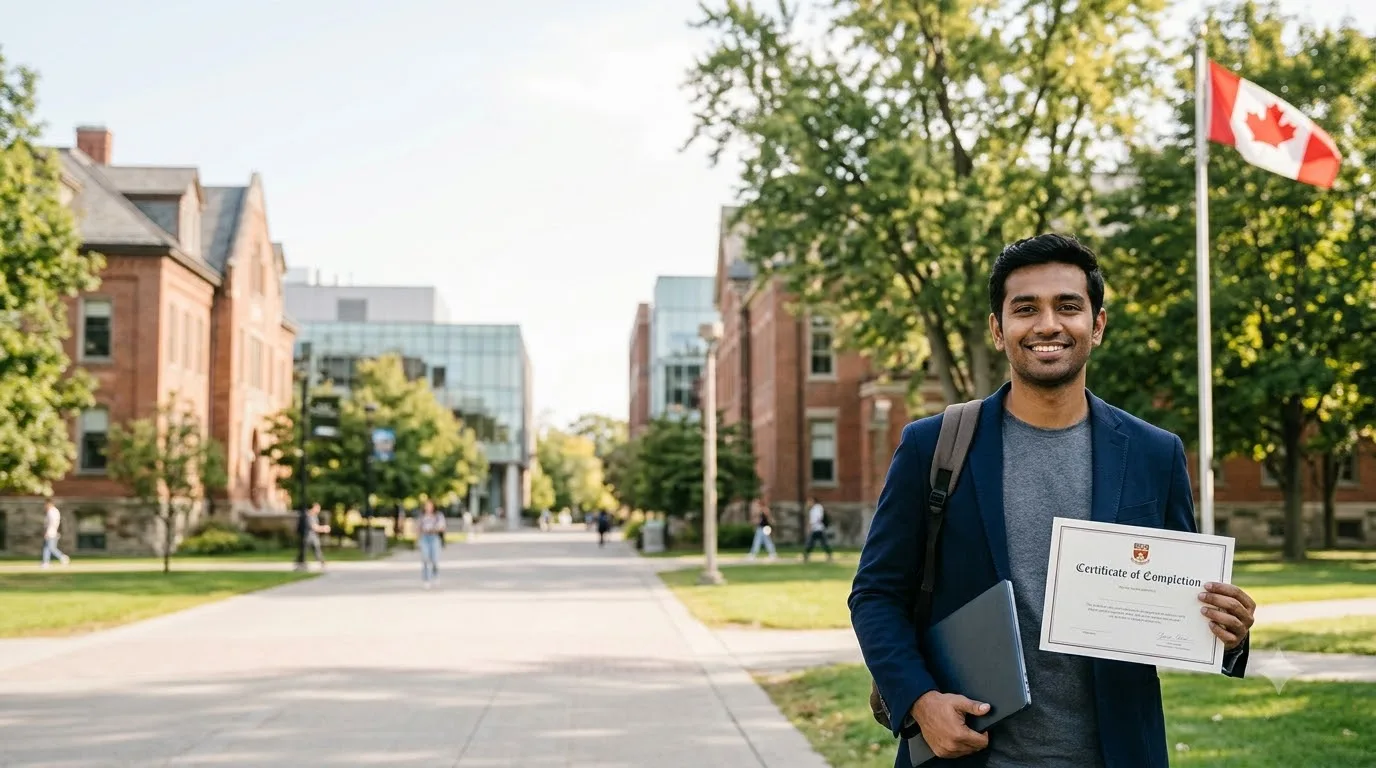
Partners of students studying full-time in a recognized Canadian college or university can now apply for a spousal work permit at the same time as the student's study permit. This reduces long wait times and ensures dual-income stability for households.
Common-law partners of Temporary Foreign Workers in TEER 0–3 jobs under the National Occupational Classification (NOC) are included. Recently, Canada also extended eligibility to spouses of workers in lower-skilled occupations (TEER 4–5) in select sectors facing shortages, such as healthcare and hospitality.
International student graduates working in Canada with a valid PGWP can bring their partner more quickly through an open work permit.
IRCC has introduced measures to cut down spousal permit backlogs and processing times.
Although requirements vary by applicant category, the following documents must be kept ready and are typically needed:
While the program has become more inclusive, applicants should still be aware of certain limitations:
For international students in Canada, these updates make the country a more attractive study destination. Studying abroad no longer means leaving a spouse behind for years. With their partner working legally, household income and affordability also improve.
For skilled workers, especially in shortage sectors, spousal work permits allow Canada to attract and retain talent more effectively. Families are less likely to leave the country after short contracts, knowing they have a path to permanent residency.
Canada's updated spousal open work permit options reflect a strong policy direction towards family unity, economic contribution, and immigrant well-being.
By enabling spouses and partners to join international students, skilled workers, and PGWP holders much faster, the federal government secures Canada's reputation as one of the most welcoming destinations for newcomers.
Families considering study or work in Canada now have greater assurance that their loved ones can join them without prolonged separations.
Feel free to contact us for your queries.
Read to know: How the Provincial Nominee Program Shapes Jobs and Opportunities in Canada
1. Can my spouse work in Canada if I am an international student?
Yes. If you are enrolled full-time at a recognized Canadian college or university, your spouse or partner can apply for an open work permit.
2. Does my partner need a job offer before applying?
No. Spousal open work permits do not require a job offer. Your partner can work for any employer once approved.
3. Can we apply for our permits at the same time?
Yes. You can submit your study or work permit application and your spouse's work permit application together to reduce delays.
4. How long does the spousal work permit take to process?
Processing times vary, but most applications are completed within 8 to 16 weeks, depending on the specific visa office.
5. What proof do we need to show our relationship?
You must provide a marriage certificate, or if you are common-law partners, documents such as joint leases, bills, or affidavits that prove you live together.
Yes. If you are enrolled full-time at a recognized Canadian college or university, your spouse or partner can apply for an open work permit.
No. Spousal open work permits do not require a job offer. Your partner can work for any employer once approved.
Yes. You can submit your study or work permit application and your spouse's work permit application together to reduce delays.
Processing times vary, but most applications are completed within 8 to 16 weeks, depending on the specific visa office.
You must provide a marriage certificate, or if you are common-law partners, documents such as joint leases, bills, or affidavits that prove you live together.






 (2)68c2c24f359ca.jpg)


 CANADA
  +1 (647) 767-0672